Remembering the Triangle Fire, 100 Years Later
By JOSEPH BERGER
The New York Times
In the arts and academia, on television and on a Greenwich Village street, the 146 victims of the Triangle shirtwaist factory fire will be remembered over the next few weeks in an outpouring of events marking the centennial of the workplace tragedy.
The events, which started last month — roughly 100 in New York City and another 100 elsewhere in the nation — seem on a scale unmatched in New York since the nation’s bicentennial in 1976 or the Statue of Liberty’s 100th birthday party in 1986. And those were celebrations. This commemoration will have a more mournful, reflective tone.
“It’s amazing, the passion that has come out for this,” said Sherry Kane, a spokesman for Workers United, the union that today represents garment workers. “I think it speaks to people because it’s about immigrant issues, women’s issues, workers’ issues, so it’s all these communities and it feels very important to them.”
The lineup of events planned around the anniversary on March 25 include documentary films, art exhibits, plays, dance recitals, a requiem, a soliloquy, a slide show, an oratorio and lectures and panel discussions.
To Read the Rest of the Article
Art * Memory * Place: Commemorating the Triangle Shirtwaist Fire
http://www.nyu.edu/greyart/">Grey Art Gallery (New York University)
One hundred years ago, on March 25, 1911, 146 people, mostly young women from Jewish and Italian immigrant families, perished in a tragic and avoidable fire at the Triangle Shirtwaist Factory, which was located on the top three floors of the Asch Building (now NYU’s Brown Building), on the corner of Washington Place and Greene Street. The fire broke out on the 8th floor and quickly spread to the 9th and 10th floors. With many of the stairways blocked, only some of the workers managed to escape; others climbed out the windows, leaping to their deaths, or perished on the factory floor. Although it was extinguished in less than half an hour, the Triangle Fire was New York City’s largest workplace disaster before 9/11.
The exhibition results from an innovative collaboration between the Grey Art Gallery and graduate students in NYU’s Programs in Museum Studies and Public History. Divided into four sections, it begins with the ladies’ garment workers’ strike of 1909, then chronicles the fire itself, the display of bodies at the morgue, press coverage, and funeral processions and other memorials, including legislative action. Section two records the fire’s legacy during the New Deal era, noting the rise of the International Ladies’ Garment Workers’ Union (ILGWU) and examining its representations in journalism and mural painting. The third section explores activities surrounding the fire’s fiftieth anniversary in 1961, including commemorative ceremonies, scholarly publications, interviews with survivors, and landmarking.Demonstrating renewed interest in the fire’s legacy today, the final section investigates contemporary memorial activities, both on site and in the form of visual representations in community projects and performance art—along with works of scholarship, film, music, and literature, including children’s books.
Art ● Memory ● Place concludes with a call for continuing vigilance and political action to protect the rights of garment workers, both in the U.S. and worldwide. The exhibition is dedicated to the fire’s victims and survivors, and their descendants. Documenting a century of commemorations, it traces the many social and political advances inspired by the tragedy, and the myriad ways in which its memory has been claimed, contested and re-invigorated.
To Access the Online Archives/Histories
Triangle Shirtwaist Factory Fire (1911)
The New York Times
It was Saturday, March 25, 1911. The work week was ending at the Triangle Waist Company factory in Lower Manhattan, and the men and women who operated the sewing machines and cut the cloth were pushing away from their tables, with some anticipating a night on the town and all looking toward their one day of rest.
On the 8th floor, flames suddenly leaped from a wastebasket under a table in the cutters’ area.
While workers frantically struggled with pails of water to douse it, the fire hopscotched to other waste bins and snared the paper patterns hanging from strings overhead.
The fire spread quickly — so quickly that in a half hour it was over, having consumed all it could in the large, airy lofts on the 8th, 9th and 10th floors of the Asch Building, a half block east of Washington Square Park.
In its wake, the smoldering floors and wet streets were strewn with 146 bodies, all but 23 of them young women.
The Triangle shirtwaist factory fire, as it is commonly recorded in history books, was one of the nation’s landmark disasters, a tragedy that enveloped the city in grief and remorse but eventually inspired important shifts in the nation’s laws, particularly those protecting the rights of workers and the safety of buildings.
The tragedy galvanized Americans, who were shaken by the stories of Jewish and Italian strivers who had been toiling long hours inside an overcrowded factory only to find themselves trapped in a firestorm inside a building’s top floors where exit doors may have been locked. At least 50 workers concluded that the better option was simply to jump.
To Access Original News Reports, Retrospective Historical Pieces, and Photo Archives
Showing posts with label People's History. Show all posts
Showing posts with label People's History. Show all posts
Wednesday, March 23, 2011

Monday, March 07, 2011
History for the Future: Marcus Rediker on the Slave Ship
Marcus Rediker on the Slave Ship
History for the Future

Marcus Rediker, professor of history at the University of Pittsburgh, and author of many books on capitalism, labor, and race in the Atlantic world, including The Many-Headed Hydra: Sailors, Slaves, Commoners and the Hidden History of the Revolutionary Atlantic (with Peter Linebaugh), and most recently, The Slave Ship: A Human History. On HFTF Rediker discusses the origin and nature of the slave ship as a critical, and violent, institution in the construction of Atlantic capitalism from the 16th to the 19th century. Toward the conclusion of our interview Rediker also describes his latest project — a new history of the Amistad Rebellion.

To Listen to the Interview
History for the Future
Marcus Rediker, professor of history at the University of Pittsburgh, and author of many books on capitalism, labor, and race in the Atlantic world, including The Many-Headed Hydra: Sailors, Slaves, Commoners and the Hidden History of the Revolutionary Atlantic (with Peter Linebaugh), and most recently, The Slave Ship: A Human History. On HFTF Rediker discusses the origin and nature of the slave ship as a critical, and violent, institution in the construction of Atlantic capitalism from the 16th to the 19th century. Toward the conclusion of our interview Rediker also describes his latest project — a new history of the Amistad Rebellion.
To Listen to the Interview
Sunday, March 06, 2011
NPR: Coal Reignites A Mighty Battle Of Labor History
Coal Reignites A Mighty Battle Of Labor History
NPR
A Coal-Fired Country
West Virginia's been called the Saudi Arabia of coal. It produces more than a third of all the coal mined in the U.S. More than half the energy Americans use is powered by burning those black rocks. The lights in your house, your TV, maybe the computer you're reading this story on — they all work thanks to coal.
The other thing about West Virginia is its poverty rate, one of the highest in America, even though coal prices just hit a 15-year high.
Almost a quarter of the people in Logan County live below the poverty level. They're people left behind by the changes in technology and technique that have allowed coal companies to earn more money and hire fewer miners.
This story, though, is only partially about jobs. It's really about history — the battle over what to remember and whether to remember it at all.
A Firefight To Organize
No one has the exact details of what happened here in late August/early September 1921, but the basic story says around 10,000 coal miners took up arms against the private militias employed by West Virginia's Stone Mountain Mining Co. For five days they fought for the right to organize — to join unions.
The Baldwin-Felts detectives hired by the coal companies in West Virginia were referred to as the "Death Special" by miners.
"From all the artifacts found here, there had to be hundreds of men up here," King says. "I mean, there's probably thousands of shell cases scattered around here."
As many as 100 men died in the fighting. It got so bad that President Harding sent a detachment of federal troops to crush the rebellion.
None of this happened in a vacuum. Tension had been building for years. Just a year before, union-busting mercenaries, who worked for a private agency called Baldwin-Felts, shot and killed the pro-union mayor of the nearby town of Matewan.
At the time, most states had laws against organizing. It didn't help that Harding's administration was decidedly anti-labor.
The worry was the unions would bog down industry and put the brakes on America's rapid economic growth.
The problem for the wage earners, at least in Logan County, was that they didn't have a whole lot of options.
A Company Town
"They had the yellow-dog contract which said that, basically, if you took a job at this mine, you could not associate with anyone in the union, you couldn't join," says Doug Estepp, a local historian who runs tours of the area. "You were basically fired, blacklisted and evicted — and probably beaten on the way out by the guards just for good measure."
The coal companies owned your house, they paid you in credits that could only be spent on highly inflated food at the company-owned store, and if you complained about safety, you were fired.
The private security men from Baldwin-Felts would threaten, beat and sometimes murder agitators — all with impunity.
And so it all came to a head in late August 1921. The miners of Logan and Mingo counties had had enough.
To Listent to the Episode
NPR
A Coal-Fired Country
West Virginia's been called the Saudi Arabia of coal. It produces more than a third of all the coal mined in the U.S. More than half the energy Americans use is powered by burning those black rocks. The lights in your house, your TV, maybe the computer you're reading this story on — they all work thanks to coal.
The other thing about West Virginia is its poverty rate, one of the highest in America, even though coal prices just hit a 15-year high.
Almost a quarter of the people in Logan County live below the poverty level. They're people left behind by the changes in technology and technique that have allowed coal companies to earn more money and hire fewer miners.
This story, though, is only partially about jobs. It's really about history — the battle over what to remember and whether to remember it at all.
A Firefight To Organize
No one has the exact details of what happened here in late August/early September 1921, but the basic story says around 10,000 coal miners took up arms against the private militias employed by West Virginia's Stone Mountain Mining Co. For five days they fought for the right to organize — to join unions.
The Baldwin-Felts detectives hired by the coal companies in West Virginia were referred to as the "Death Special" by miners.
"From all the artifacts found here, there had to be hundreds of men up here," King says. "I mean, there's probably thousands of shell cases scattered around here."
As many as 100 men died in the fighting. It got so bad that President Harding sent a detachment of federal troops to crush the rebellion.
None of this happened in a vacuum. Tension had been building for years. Just a year before, union-busting mercenaries, who worked for a private agency called Baldwin-Felts, shot and killed the pro-union mayor of the nearby town of Matewan.
At the time, most states had laws against organizing. It didn't help that Harding's administration was decidedly anti-labor.
The worry was the unions would bog down industry and put the brakes on America's rapid economic growth.
The problem for the wage earners, at least in Logan County, was that they didn't have a whole lot of options.
A Company Town
"They had the yellow-dog contract which said that, basically, if you took a job at this mine, you could not associate with anyone in the union, you couldn't join," says Doug Estepp, a local historian who runs tours of the area. "You were basically fired, blacklisted and evicted — and probably beaten on the way out by the guards just for good measure."
The coal companies owned your house, they paid you in credits that could only be spent on highly inflated food at the company-owned store, and if you complained about safety, you were fired.
The private security men from Baldwin-Felts would threaten, beat and sometimes murder agitators — all with impunity.
And so it all came to a head in late August 1921. The miners of Logan and Mingo counties had had enough.
To Listent to the Episode
Friday, January 28, 2011
Henry Giroux: Howard Zinn, A Public Intellectual Who Mattered
[Howard Zinn died a year ago on January 27th. Giroux's essay below is a good testament to his continuing importance. Our remembrance from last year: "So long Howard Zinn. It’s been good to know ya"]
Howard Zinn, A Public Intellectual Who Mattered
by Henry Giroux
TruthOut
In 1977 I took my first job in higher education at Boston University. One reason I went there was because Howard Zinn was teaching there at the time. As a high school teacher, Howard's book, "Vietnam: the Logic of Withdrawal," published in 1968, had a profound effect on me. Not only was it infused with a passion and sense of commitment that I admired as a high school teacher and tried to internalize as part of my own pedagogy, but it captured something about the passion, sense of commitment and respect for solidarity that came out of Howard's working-class background. It offered me a language, history and politics that allowed me to engage critically and articulate my opposition to the war that was raging at the time.
I grew up in Providence, Rhode Island, and rarely met or read any working-class intellectuals. After reading James Baldwin, hearing William Kunstler and Stanley Aronowitz give talks, I caught a glimpse of what it meant to occupy such a fragile, contradictory and often scorned location. But reading Howard gave me the theoretical tools to understand more clearly how the mix of biography, cultural capital and class location could be finely honed into a viable and laudable politics.
Later, as I got to know Howard personally, I was able to fill in the details about his working-class background and his intellectual development. We had grown up in similar neighborhoods, shared a similar cultural capital and we both probably learned more from the streets than we had ever learned in formal schooling. There was something about Howard's fearlessness, his courage, his willingness to risk not just his academic position, but also his life, that marked him as special - untainted by the often corrupting privileges of class entitlement.
Before I arrived in Boston to begin teaching at Boston University, Howard was a mythic figure for me and I was anxious to meet him in real life. How I first encountered him was perfectly suited to the myth. While walking to my first class, as I was nearing the university, filled with the trepidation of teaching a classroom of students, I caught my first glimpse of Howard. He was standing on a box with a bullhorn in front of the Martin Luther King memorial giving a talk calling for opposition to Silber's attempt to undermine any democratic or progressive function of the university. The image so perfectly matched my own understanding of Howard that I remember thinking to myself, this has to be the perfect introduction to such a heroic figure.
Soon afterwards, I wrote him a note and rather sheepishly asked if we could meet. He got back to me in a day; we went out to lunch soon afterwards, and a friendship developed that lasted over 30 years. While teaching at Boston University, I often accompanied Howard when he went to high schools to talk about his published work or his plays. I sat in on many of his lectures and even taught one of his graduate courses. He loved talking to students and they were equally attracted to him. His pedagogy was dynamic, directive, focused, laced with humor and always open to dialog and interpretation. He was a magnificent teacher, who shredded all notions of the classroom as a place that was as uninteresting as it was often irrelevant to larger social concerns. He urged his students not just to learn from history, but to use it as a resource to sharpen their intellectual prowess and hone their civic responsibilities.
Howard refused to separate what he taught in the university classroom, or any forum for that matter, from the most important problems and issues facing the larger society. But he never demanded that students follow his own actions; he simply provided a model of what a combination of knowledge, teaching and social commitment meant. Central to Howard's pedagogy was the belief that teaching students how to critically understand a text or any other form of knowledge was not enough. They also had to engage such knowledge as part of a broader engagement with matters of civic agency and social responsibility. How they did that was up to them, but, most importantly, they had to link what they learned to a self-reflective understanding of their own responsibility as engaged individuals and social actors.
He offered students a range of options. He wasn't interested in molding students in the manner of Pygmalion, but in giving them the widest possible set of choices and knowledge necessary for them to view what they learned as an act of freedom and empowerment. There is a certain poetry in his pedagogical style and scholarship and it is captured in his belief that one can take a position without standing still. He captured this sentiment well in a comment he made in his autobiography, "You Can't Be Neutral on a Moving Train." He wrote:
In fact, Howard was under constant attack by John Silber, then president of Boston University, because of his scholarship and teaching. One expression of that attack took the form of freezing Howard's salary for years.
To Read the Rest of the Essay
Howard Zinn, A Public Intellectual Who Mattered
by Henry Giroux
TruthOut
In 1977 I took my first job in higher education at Boston University. One reason I went there was because Howard Zinn was teaching there at the time. As a high school teacher, Howard's book, "Vietnam: the Logic of Withdrawal," published in 1968, had a profound effect on me. Not only was it infused with a passion and sense of commitment that I admired as a high school teacher and tried to internalize as part of my own pedagogy, but it captured something about the passion, sense of commitment and respect for solidarity that came out of Howard's working-class background. It offered me a language, history and politics that allowed me to engage critically and articulate my opposition to the war that was raging at the time.
I grew up in Providence, Rhode Island, and rarely met or read any working-class intellectuals. After reading James Baldwin, hearing William Kunstler and Stanley Aronowitz give talks, I caught a glimpse of what it meant to occupy such a fragile, contradictory and often scorned location. But reading Howard gave me the theoretical tools to understand more clearly how the mix of biography, cultural capital and class location could be finely honed into a viable and laudable politics.
Later, as I got to know Howard personally, I was able to fill in the details about his working-class background and his intellectual development. We had grown up in similar neighborhoods, shared a similar cultural capital and we both probably learned more from the streets than we had ever learned in formal schooling. There was something about Howard's fearlessness, his courage, his willingness to risk not just his academic position, but also his life, that marked him as special - untainted by the often corrupting privileges of class entitlement.
Before I arrived in Boston to begin teaching at Boston University, Howard was a mythic figure for me and I was anxious to meet him in real life. How I first encountered him was perfectly suited to the myth. While walking to my first class, as I was nearing the university, filled with the trepidation of teaching a classroom of students, I caught my first glimpse of Howard. He was standing on a box with a bullhorn in front of the Martin Luther King memorial giving a talk calling for opposition to Silber's attempt to undermine any democratic or progressive function of the university. The image so perfectly matched my own understanding of Howard that I remember thinking to myself, this has to be the perfect introduction to such a heroic figure.
Soon afterwards, I wrote him a note and rather sheepishly asked if we could meet. He got back to me in a day; we went out to lunch soon afterwards, and a friendship developed that lasted over 30 years. While teaching at Boston University, I often accompanied Howard when he went to high schools to talk about his published work or his plays. I sat in on many of his lectures and even taught one of his graduate courses. He loved talking to students and they were equally attracted to him. His pedagogy was dynamic, directive, focused, laced with humor and always open to dialog and interpretation. He was a magnificent teacher, who shredded all notions of the classroom as a place that was as uninteresting as it was often irrelevant to larger social concerns. He urged his students not just to learn from history, but to use it as a resource to sharpen their intellectual prowess and hone their civic responsibilities.
Howard refused to separate what he taught in the university classroom, or any forum for that matter, from the most important problems and issues facing the larger society. But he never demanded that students follow his own actions; he simply provided a model of what a combination of knowledge, teaching and social commitment meant. Central to Howard's pedagogy was the belief that teaching students how to critically understand a text or any other form of knowledge was not enough. They also had to engage such knowledge as part of a broader engagement with matters of civic agency and social responsibility. How they did that was up to them, but, most importantly, they had to link what they learned to a self-reflective understanding of their own responsibility as engaged individuals and social actors.
He offered students a range of options. He wasn't interested in molding students in the manner of Pygmalion, but in giving them the widest possible set of choices and knowledge necessary for them to view what they learned as an act of freedom and empowerment. There is a certain poetry in his pedagogical style and scholarship and it is captured in his belief that one can take a position without standing still. He captured this sentiment well in a comment he made in his autobiography, "You Can't Be Neutral on a Moving Train." He wrote:
From the start, my teaching was infused with my own history. I would try to be fair to other points of view, but I wanted more than 'objectivity'; I wanted students to leave my classes not just better informed, but more prepared to relinquish the safety of silence, more prepared to speak up, to act against injustice wherever they saw it. This, of course, was a recipe for trouble.
In fact, Howard was under constant attack by John Silber, then president of Boston University, because of his scholarship and teaching. One expression of that attack took the form of freezing Howard's salary for years.
To Read the Rest of the Essay
Tuesday, October 26, 2010
Tuesday, August 24, 2010
HUM 121: The People Speak, Pt 1
(For students--post responses to the documentary in the comment section at the bottom of this post)

Additional resources/topics:
An ongoing archive of materials on Howard Zinn
Anderson, Benedict. Imagined Communities: Reflections on the Origin and Spread of Nationalism. Brooklyn, NY: Verso, 1996.
Loewen, James. Lies My Teacher Told Me: Everything Your American History Textbook Got Wrong. NY: Touchstone, 2007.
Manufacturing Consent: Noam Chomsky and the Propaganda Model of the Media
Ruane, Kevin. War and Revolution in Vietnam, 1930-1975. Bristol, PN: UCL Press, 1998.
Buchheit, Paul, ed. American Wars: Illusions and Realities. Atlanta, GA: Clarity Press, 2008.
McCarthy, Timothy Patrick and John McMillian, eds. The Radical Reader: A Documentary History of the American Radical Tradition. NY: The New Press, 2003.
History is a Weapon
Additional resources/topics:
An ongoing archive of materials on Howard Zinn
Anderson, Benedict. Imagined Communities: Reflections on the Origin and Spread of Nationalism. Brooklyn, NY: Verso, 1996.
Loewen, James. Lies My Teacher Told Me: Everything Your American History Textbook Got Wrong. NY: Touchstone, 2007.
Manufacturing Consent: Noam Chomsky and the Propaganda Model of the Media
Ruane, Kevin. War and Revolution in Vietnam, 1930-1975. Bristol, PN: UCL Press, 1998.
Buchheit, Paul, ed. American Wars: Illusions and Realities. Atlanta, GA: Clarity Press, 2008.
McCarthy, Timothy Patrick and John McMillian, eds. The Radical Reader: A Documentary History of the American Radical Tradition. NY: The New Press, 2003.
History is a Weapon
Wednesday, May 05, 2010
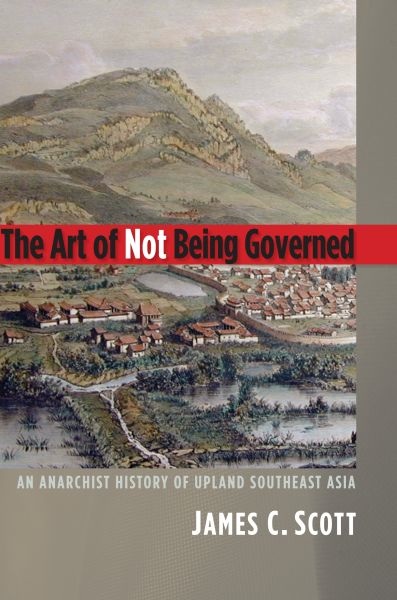
Pierre Clastres: Classification of People's Histories
It is said that the history of peoples who have a history is the history of class struggle. It might be said with at least as much truthfulness, that the history of peoples without history is a history of their struggles against the state.
--Pierre Clastres La société contre l'État
quoted in:
Wednesday, April 21, 2010
Seeing Red Radio: Haiti, Melvin Jones III, MLK and Tony Cliff 2.2
Haiti, Melvin Jones III, MLK and Tony Cliff 2.2
Seeing Red Radio
This week we look at the hidden history of Haiti and the devastation exacted by global capital long before the earthquake struck, juxtaposing Pat Robertson’s hateful words with the “curse” inflicted by the World Bank and others. Also, horrific video is released of a white Springfield, MA police officer beating an African-American man while he was subdued by other officers, we’ll examine the racist legacy of the officer in question and the city’s infamously brutal police department. The last half-hour includes two talks from the Seeing Red archives: Martin Luther King speaking about protest and SWP founder Tony Cliff on the revolutionary party.
Audio montage includes clips from Blackbox Radio, Al Jazeera, Raj Patel, Naomi Klein and Pat Robertson
What You’re Not Hearing about Haiti (But Should Be) by Carl Lindskoog
Obama Received $20 Million from Healthcare Industry in 2008 Campaign by Brad Jacobson
Tea Party Convention Squeezes Fans
Frustrated With Government Lies, Mexican Electricians Declare Wildcat Actions by Kristin Bricker
Savage Police Brutality Revealed by Gary Lapon
Audio of Paul Robeson Interview
Music:
Lafayette Afro-Rock Band – Hihache
Gift of Gab & Lateef – Kalakuta Show
Leadbelly – Bourgeois Blues
Sharon Jones & the Dap-Kings – Stop Payin’ Taxes
Background music from John Zorn, Bad Plus, Utah Philips & Ani DiFranco and others
To Listen to the Episode
Seeing Red Radio
This week we look at the hidden history of Haiti and the devastation exacted by global capital long before the earthquake struck, juxtaposing Pat Robertson’s hateful words with the “curse” inflicted by the World Bank and others. Also, horrific video is released of a white Springfield, MA police officer beating an African-American man while he was subdued by other officers, we’ll examine the racist legacy of the officer in question and the city’s infamously brutal police department. The last half-hour includes two talks from the Seeing Red archives: Martin Luther King speaking about protest and SWP founder Tony Cliff on the revolutionary party.
Audio montage includes clips from Blackbox Radio, Al Jazeera, Raj Patel, Naomi Klein and Pat Robertson
What You’re Not Hearing about Haiti (But Should Be) by Carl Lindskoog
Obama Received $20 Million from Healthcare Industry in 2008 Campaign by Brad Jacobson
Tea Party Convention Squeezes Fans
Frustrated With Government Lies, Mexican Electricians Declare Wildcat Actions by Kristin Bricker
Savage Police Brutality Revealed by Gary Lapon
Audio of Paul Robeson Interview
Music:
Lafayette Afro-Rock Band – Hihache
Gift of Gab & Lateef – Kalakuta Show
Leadbelly – Bourgeois Blues
Sharon Jones & the Dap-Kings – Stop Payin’ Taxes
Background music from John Zorn, Bad Plus, Utah Philips & Ani DiFranco and others
To Listen to the Episode
Tuesday, April 20, 2010
Seeing Red Radio: Black Panther Party, Zionist Racism in the Knesset and the Winnipeg General Strike
(Essential history of the BPP)
Black Panther Party, Zionist Racism in the Knesset and the Winnipeg General Strike
Seeing Red Radio
Seeing Red remembers the Black Panther Party, featuring the voices of Huey Newton, Bobby Seale, Bobby Rush, Fred Hampton and others. We follow with Israel’s right-wing coalition lashing out at Israeli Arabs in the Knesset with a trio of bills that would criminalize any commemoration of the Nakba, any refusal to recognize Israel as a “Jewish state”, and demand of Israeli Arabs to sign loyalty oaths or lose their citizenship. Finally, we remember the Winnipeg General Strike of 1919.
Israeli Parliament OKs Bill to Outlaw Denial of Israel as ‘Jewish State’ by Jason Ditz
In Israel, Democratic Rights in Peril by Daniel Rosenberg
World Bank Report Reveals Disparity of Water Supply to Palestinians by Rory McCarthy, The Guardian
90th Anniversary of the Winnipeg General Strike by Alex Grant
Music:
Panther – The Last Poets
Comrade’s Call – Dead Prez feat. M1
All Hid – Camille Yarborough
Let My People Go – Darongo
Message From a Black Man – Derrick Harriot
Socialism – Dillinger
If I Had a Rocket Launcher – Bruce Cockburn
To Listen to the Episode
Black Panther Party, Zionist Racism in the Knesset and the Winnipeg General Strike
Seeing Red Radio
Seeing Red remembers the Black Panther Party, featuring the voices of Huey Newton, Bobby Seale, Bobby Rush, Fred Hampton and others. We follow with Israel’s right-wing coalition lashing out at Israeli Arabs in the Knesset with a trio of bills that would criminalize any commemoration of the Nakba, any refusal to recognize Israel as a “Jewish state”, and demand of Israeli Arabs to sign loyalty oaths or lose their citizenship. Finally, we remember the Winnipeg General Strike of 1919.
Israeli Parliament OKs Bill to Outlaw Denial of Israel as ‘Jewish State’ by Jason Ditz
In Israel, Democratic Rights in Peril by Daniel Rosenberg
World Bank Report Reveals Disparity of Water Supply to Palestinians by Rory McCarthy, The Guardian
90th Anniversary of the Winnipeg General Strike by Alex Grant
Music:
Panther – The Last Poets
Comrade’s Call – Dead Prez feat. M1
All Hid – Camille Yarborough
Let My People Go – Darongo
Message From a Black Man – Derrick Harriot
Socialism – Dillinger
If I Had a Rocket Launcher – Bruce Cockburn
To Listen to the Episode
Monday, April 19, 2010
Seeing Red Radio: The One-State Solution and the Truth behind the Employee Free Choice Act
The One-State Solution and the Truth behind the Employee Free Choice Act
Seeing Red Radio
The Two-State Solution is a non-starter with the Zionist regime of Netanyahu. On this edition of SRR we examine the proposal for a secular one-state that represents all of the people of historic Palestine. We also expose the heinous lies of pro-corporate opponents of the Employee Free Choice Act, including the glaring statistic that reveals the number of unfair labor practice filings with the National Labor Review Board against unions amounts to “only 42 cases of misconduct over seven decades—while there are nearly 30,000 unfair labor practices against workers by companies every year.” So much for “union intimidation”… We also commemorate the horrific end of the first acquisition of state power by the working class, the Paris Commune, when it was violently suppressed in 1871.
Return of the One-State Solution: The case for a single democratic secular state in historic Palestine by Phil Gasper
CBS 60 Minutes, Time Running Out For A Two-State Solution
Workers Face Increasing Abuse in Attempts to Form Unions by Seth Michaels
Music:
They’re Building a Wall & The Key – David Rovics
Cobracoustic – Cobra Skulls
There is Power in a Union – Utah Phillips
Let Them Eat War – Bad Religion
Return & Palestine – David Rovics
People Lead – Ben Harper
Song the Songbird Sings – David Rovics
Masters of War – Pearl Jam
After the Revolution – David Rovics
To Listen to the Episode
Seeing Red Radio
The Two-State Solution is a non-starter with the Zionist regime of Netanyahu. On this edition of SRR we examine the proposal for a secular one-state that represents all of the people of historic Palestine. We also expose the heinous lies of pro-corporate opponents of the Employee Free Choice Act, including the glaring statistic that reveals the number of unfair labor practice filings with the National Labor Review Board against unions amounts to “only 42 cases of misconduct over seven decades—while there are nearly 30,000 unfair labor practices against workers by companies every year.” So much for “union intimidation”… We also commemorate the horrific end of the first acquisition of state power by the working class, the Paris Commune, when it was violently suppressed in 1871.
Return of the One-State Solution: The case for a single democratic secular state in historic Palestine by Phil Gasper
CBS 60 Minutes, Time Running Out For A Two-State Solution
Workers Face Increasing Abuse in Attempts to Form Unions by Seth Michaels
Music:
They’re Building a Wall & The Key – David Rovics
Cobracoustic – Cobra Skulls
There is Power in a Union – Utah Phillips
Let Them Eat War – Bad Religion
Return & Palestine – David Rovics
People Lead – Ben Harper
Song the Songbird Sings – David Rovics
Masters of War – Pearl Jam
After the Revolution – David Rovics
To Listen to the Episode
Thursday, April 08, 2010
Seeing Red Radio: Health Care & Financial “Reform”, Stop-Loss Hip-Hop, E. Jerusalem Building Boom and Arizona 2.3
Health Care & Financial “Reform”, Stop-Loss Hip-Hop, E. Jerusalem Building Boom and Arizona 2.3
Seeing Red Radio
Obama’s recently passed Health Care “Reform” Bill, and Christopher Dodd’s proposed Financial “Reform” legislation most recently exemplify the pro-corporate credentials of the Democratic party, solidifying their place as the US ruling class’ Team B. We then offer the hip-hop song that got Spc. Marc Hall imprisoned and facing a court martial, when he dared to call out the US Army’s disingenuous “stop-loss” policy, which forces members of the US Army to remain in the service beyond their contracted enlistments. We expose the the full extent of Israel’s plans for East Jerusalem, which seeks to effectively alter “facts on the ground”, and displace any hope of the “Peace Process”. We highlight the proposed legislation in Arizona which if passed will make every undocumented worker in the state a criminal “trespasser”. Lastly, we feature a day in Revolutionary History, March 25th, and remember the horror of one of America’s worst industrial disasters, the Triangle Shirtwaist Factory Fire.
Music:
Henry Geddes – Waiting for a State of Siege
Destroy Babylon feat. DXA – Shadow Army
Marc Hall – Stop Loss
David Rovics – Building a Wall
Ska P – Intifada
Immortal Technique – The Poverty of Philosophy
Background Music by T.P. Orchestre Poly-Rythmo de Cotonou
To Listen to the Episode
Seeing Red Radio
Obama’s recently passed Health Care “Reform” Bill, and Christopher Dodd’s proposed Financial “Reform” legislation most recently exemplify the pro-corporate credentials of the Democratic party, solidifying their place as the US ruling class’ Team B. We then offer the hip-hop song that got Spc. Marc Hall imprisoned and facing a court martial, when he dared to call out the US Army’s disingenuous “stop-loss” policy, which forces members of the US Army to remain in the service beyond their contracted enlistments. We expose the the full extent of Israel’s plans for East Jerusalem, which seeks to effectively alter “facts on the ground”, and displace any hope of the “Peace Process”. We highlight the proposed legislation in Arizona which if passed will make every undocumented worker in the state a criminal “trespasser”. Lastly, we feature a day in Revolutionary History, March 25th, and remember the horror of one of America’s worst industrial disasters, the Triangle Shirtwaist Factory Fire.
Music:
Henry Geddes – Waiting for a State of Siege
Destroy Babylon feat. DXA – Shadow Army
Marc Hall – Stop Loss
David Rovics – Building a Wall
Ska P – Intifada
Immortal Technique – The Poverty of Philosophy
Background Music by T.P. Orchestre Poly-Rythmo de Cotonou
To Listen to the Episode
Thursday, March 11, 2010
ENG 102: The People Speak Pt. 2
Remember, your assignment is to develop a research project inspired from the documentary The People Speak and/or the book The Voices of the People's History of the United States
A People's History of the United States (on Google Books)
Watch more readings from the Voices of the People's History of the United States
Howard Zinn
Previous ENG 102 posts
Here is a list of the resources I'm going to be putting on reserve for you at the BCTC library circulation desk, in the HUM 220 section:
Crips and Bloods: Made in America
Mooney, James, ed. American Dissenters: Volume Two. Maplecrest, NY: Brandywine Press, 2005.
Includes chapters on:
Ida B. Wells-Barnett
Agrarianism
Henry George
Bill Haywood and the IWW
Thorstein Veblen
Emma Goldman
Upton Sinclair
Sinclair Lewis
Martin Luther King, Jr.
Students for a Democratic Society (SDS) and the Port Huron Statement
Reflections on Power and Self-Righteousness
The Battle in Seattle
The Arrogance of Ownership
Ruane, Kevin. War and Revolution in Vietnam, 1930-1975. Bristol, PN: UCL Press, 1998.
Buchheit, Paul, ed. American Wars: Illusions and Realities. Atlanta, GA: Clarity Press, 2008.
McCarthy, Timothy Patrick and John McMillian, eds. The Radical Reader: A Documentary History of the American Radical Tradition. NY: The New Press, 2003.
Also in regards to the documentary:
The Zinn Education Project
Zinn, Howard. A People's History of the United States: 1492 - Present. NY: Harper-Collins, 2003.
Howard Zinn on Democratic Education (Z Magazine)
Howard Zinn on Holy Wars (Democracy Now)
Anderson, Benedict. Imagined Communities: Reflections on the Origin and Spread of Nationalism. Brooklyn, NY: Verso, 1996.
Loewen, James. Lies My Teacher Told Me: Everything Your American History Textbook Got Wrong. NY: Touchstone, 2007.
Manufacturing Consent: Noam Chomsky and the Propaganda Model of the Media
and an ongoing archive of materials on Howard Zinn
A People's History of the United States (on Google Books)
Watch more readings from the Voices of the People's History of the United States
Howard Zinn
Previous ENG 102 posts
Here is a list of the resources I'm going to be putting on reserve for you at the BCTC library circulation desk, in the HUM 220 section:
Crips and Bloods: Made in America
Mooney, James, ed. American Dissenters: Volume Two. Maplecrest, NY: Brandywine Press, 2005.
Includes chapters on:
Ida B. Wells-Barnett
Agrarianism
Henry George
Bill Haywood and the IWW
Thorstein Veblen
Emma Goldman
Upton Sinclair
Sinclair Lewis
Martin Luther King, Jr.
Students for a Democratic Society (SDS) and the Port Huron Statement
Reflections on Power and Self-Righteousness
The Battle in Seattle
The Arrogance of Ownership
Ruane, Kevin. War and Revolution in Vietnam, 1930-1975. Bristol, PN: UCL Press, 1998.
Buchheit, Paul, ed. American Wars: Illusions and Realities. Atlanta, GA: Clarity Press, 2008.
McCarthy, Timothy Patrick and John McMillian, eds. The Radical Reader: A Documentary History of the American Radical Tradition. NY: The New Press, 2003.
Also in regards to the documentary:
The Zinn Education Project
Zinn, Howard. A People's History of the United States: 1492 - Present. NY: Harper-Collins, 2003.
Howard Zinn on Democratic Education (Z Magazine)
Howard Zinn on Holy Wars (Democracy Now)
Anderson, Benedict. Imagined Communities: Reflections on the Origin and Spread of Nationalism. Brooklyn, NY: Verso, 1996.
Loewen, James. Lies My Teacher Told Me: Everything Your American History Textbook Got Wrong. NY: Touchstone, 2007.
Manufacturing Consent: Noam Chomsky and the Propaganda Model of the Media
and an ongoing archive of materials on Howard Zinn
Monday, March 01, 2010
Peace and Conflict Studies, Part 3: The Garden (USA: Scott Hamilton Kennedy, 2008)
(Students: you need to post in the comments a response to this documentary. People/Themes/Topics raised in this documentary and in our discussions of it can be used to develop a term paper project. This documentary is an example of Zinn's People's History projects. You can get your grade for Leon lane's assignment here )
Official Website
Watching this film today reminded me of this report I saw last week and emphasized the value of community gardens for our collective knowledge about the world:
Jamie Oliver's Food Revolution: First Graders Can't Identify Fruits, Veggies
and another that spoke to our disconnect from the process of food-production as a result of large-scale agri-businesses dominating our food practices:
William Neuman: Bribes Let Tomato Vendor Sell Tainted Food
and the classic statement from the hunter-conservationist Aldo Leopold on the consequences of this lack-of-knowledge about the web-of-life:
Aldo Leopold: Thinking Like a Mountain
One of the most important and influential writers on the need for us to re-connect with the land and build strong communities is Kentucky native Wendell Berry
A great article that looks at our disconnect from the "stories" of the processes/beings that lead to the products we consume (including food): Rebecca Solnit: The Silence of the Lambswool Cardigan
Extending the politics of food and communal relations to our interaction with our fellow animals, I reflected on the The Politics of Meat
Samuel (I think that was his name) in actively supporting and joining the Latino gardeners in their fight to keep their gardens stated that he was a Black Panther. I'm not sure if you are familiar with the Black Panthers so here is a history of the organization.
I mentioned The Garden is playing in the Lexington One World Film Festival that started this weekend--check out the other films.
Zack de la Rocha is seen playing at a fundraiser at the South Central Garden and this song from Rage Against the Machine seemed relevant to the themes of the documentary: "Ashes in the Fall"
Terr Bruckner just sent a message about a BCTC Library Resource online that may be of use for some of your projects: Women's History
Extra Credit Opportunities (attend and write a 600+ word response)
1)
Dear All,
Wanted to let you know that Rev. John Dear, S. J. (Jesuit priest) will be speaking at the UK Newman Center on Thursday, March 4 at 7:30 p.m. Rev. Dear was nominated for the 2008 Nobel Peace Prize by Archbishop Desmond Tutu. His talk on Thursday night is entitled “Following the nonviolent Jesus in a world of violence and war.”
The abstract of the talk: Fr. John Dear will share reflections about the world of violence and war, the life of creative nonviolence and peace, Jesus’ active nonviolence, and how we can become contemplatives, activists, and prophets of peace and justice to work for a new world without war, poverty, nuclear weapons or global warming.
One note – he has been arrested over 75 times in acts of civil disobedience against war and nuclear weapons.
Take care,
Rebecca Glasscock
2)
PALESTINIAN ACTIVIST HANAN ASHRAWI TO VISIT
LEXINGTON, UK
A free public lecture featuring Palestinian activist Hanan Ashrawi has been scheduled for the evening of March 23, 2010, at the University of Kentucky. Ashrawi has served as an elected member of the Palestinian Legislative Council, Jerusalem District. In 2009, she was elected a member of the Executive Committee of the Palestine Liberation Organization (PLO), making history as the first woman to hold a seat in this executive body. Ashrawi’s academic career spanned several decades in which she served as a faculty member, chair in the Department of English and Dean of the Faculty at Birzeit University on the West Bank. From 1991 through 1993, she served as the official spokesperson of the Palestinian Delegation to the Middle East Peace Process and a member of both the Leadership/Guidance and Executive Committees of the Delegation.
With the signing of the peace accords by Yasser Arafat and Yitzhak Rabin in 1993 and the establishment of Palestinian self-rule, Ashrawi headed the Preparatory Committee of the Palestinian Independent Commission for Citizens' Rights in Jerusalem, and was the founder and commissioner general of that committee until 1995. From 1996 through 1998, she served as minister of higher education and research. In August of 1998, she founded the Palestinian Initiative for the Promotion of Global Dialogue and Democracy (MIFTAH), and has served as the Executive Committee chairperson of that organization since that time.
Tickets for Ashrawi’s public talk are available through the Singletary Center Ticket Office or by going to the SCFA website. No phone orders accepted. There is a limit of FOUR tickets per person using the SCFA website. Schools and community groups may contact Richard Greissman, at (859) 257-2471 or richard.greissman@uky.edu, for more information about group seating. Tickets are free.
As students ask question and/or make comments I will add more information in this post...
Official Website
Watching this film today reminded me of this report I saw last week and emphasized the value of community gardens for our collective knowledge about the world:
Jamie Oliver's Food Revolution: First Graders Can't Identify Fruits, Veggies
and another that spoke to our disconnect from the process of food-production as a result of large-scale agri-businesses dominating our food practices:
William Neuman: Bribes Let Tomato Vendor Sell Tainted Food
and the classic statement from the hunter-conservationist Aldo Leopold on the consequences of this lack-of-knowledge about the web-of-life:
Aldo Leopold: Thinking Like a Mountain
One of the most important and influential writers on the need for us to re-connect with the land and build strong communities is Kentucky native Wendell Berry
A great article that looks at our disconnect from the "stories" of the processes/beings that lead to the products we consume (including food): Rebecca Solnit: The Silence of the Lambswool Cardigan
Extending the politics of food and communal relations to our interaction with our fellow animals, I reflected on the The Politics of Meat
Samuel (I think that was his name) in actively supporting and joining the Latino gardeners in their fight to keep their gardens stated that he was a Black Panther. I'm not sure if you are familiar with the Black Panthers so here is a history of the organization.
I mentioned The Garden is playing in the Lexington One World Film Festival that started this weekend--check out the other films.
Zack de la Rocha is seen playing at a fundraiser at the South Central Garden and this song from Rage Against the Machine seemed relevant to the themes of the documentary: "Ashes in the Fall"
Terr Bruckner just sent a message about a BCTC Library Resource online that may be of use for some of your projects: Women's History
Extra Credit Opportunities (attend and write a 600+ word response)
1)
Dear All,
Wanted to let you know that Rev. John Dear, S. J. (Jesuit priest) will be speaking at the UK Newman Center on Thursday, March 4 at 7:30 p.m. Rev. Dear was nominated for the 2008 Nobel Peace Prize by Archbishop Desmond Tutu. His talk on Thursday night is entitled “Following the nonviolent Jesus in a world of violence and war.”
The abstract of the talk: Fr. John Dear will share reflections about the world of violence and war, the life of creative nonviolence and peace, Jesus’ active nonviolence, and how we can become contemplatives, activists, and prophets of peace and justice to work for a new world without war, poverty, nuclear weapons or global warming.
One note – he has been arrested over 75 times in acts of civil disobedience against war and nuclear weapons.
Take care,
Rebecca Glasscock
2)
PALESTINIAN ACTIVIST HANAN ASHRAWI TO VISIT
LEXINGTON, UK
A free public lecture featuring Palestinian activist Hanan Ashrawi has been scheduled for the evening of March 23, 2010, at the University of Kentucky. Ashrawi has served as an elected member of the Palestinian Legislative Council, Jerusalem District. In 2009, she was elected a member of the Executive Committee of the Palestine Liberation Organization (PLO), making history as the first woman to hold a seat in this executive body. Ashrawi’s academic career spanned several decades in which she served as a faculty member, chair in the Department of English and Dean of the Faculty at Birzeit University on the West Bank. From 1991 through 1993, she served as the official spokesperson of the Palestinian Delegation to the Middle East Peace Process and a member of both the Leadership/Guidance and Executive Committees of the Delegation.
With the signing of the peace accords by Yasser Arafat and Yitzhak Rabin in 1993 and the establishment of Palestinian self-rule, Ashrawi headed the Preparatory Committee of the Palestinian Independent Commission for Citizens' Rights in Jerusalem, and was the founder and commissioner general of that committee until 1995. From 1996 through 1998, she served as minister of higher education and research. In August of 1998, she founded the Palestinian Initiative for the Promotion of Global Dialogue and Democracy (MIFTAH), and has served as the Executive Committee chairperson of that organization since that time.
Tickets for Ashrawi’s public talk are available through the Singletary Center Ticket Office or by going to the SCFA website
As students ask question and/or make comments I will add more information in this post...
Subscribe to:
Posts (Atom)